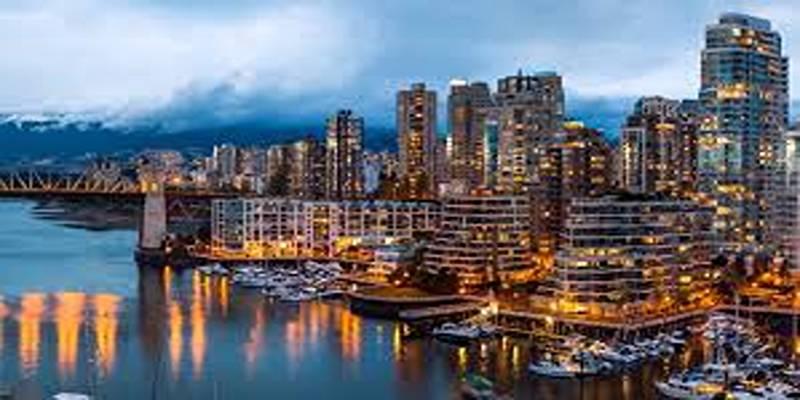
Vancouver is a vibrant city on Canada’s west coast that combines scenic beauty with urban amenities. With snow-capped mountains, lush coastal rainforests, and a walkable downtown, Vancouver appeals to outdoor enthusiasts and urban explorers alike. But timing a visit is essential. From dry, sunlit summers to misty winter mornings, the city changes dramatically with the seasons.
This guide explores the best times to visit Vancouver based on climate, crowds, and seasonal activities to help travelers choose the ideal window for their trip. Whether planning a weekend getaway or a longer stay, knowing when to go can elevate the entire experience.
Spring (March to May): Nature Awakens and Crowds Are Light
Spring in Vancouver is a transitional period that begins in March and stretches through May. Temperatures slowly climb from chilly to mild, with daytime highs ranging between 10°C and 17°C (50°F to 63°F). The city begins to bloom as cherry trees line the streets, and parks like Stanley Park and Queen Elizabeth Park come alive with color.
Rainfall is still fairly common in March and early April, but it becomes more sporadic as May approaches. For travelers who enjoy a mix of cool weather and fewer tourists, spring is a great time to explore outdoor spaces and city sights without the summer rush.
Accommodations are more affordable than during peak months, and popular walking paths, hiking trails, and gardens are much less crowded. As outdoor events and markets begin to return, there’s just enough buzz in the city to enjoy a lively yet calm experience.
Summer (June to August): Peak Season with Perfect Weather
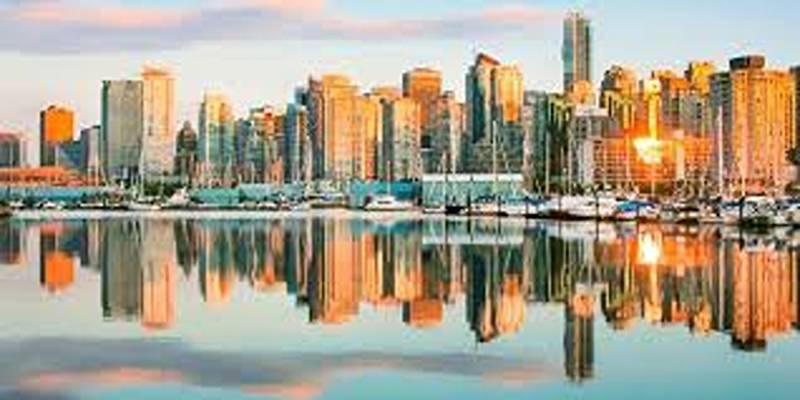
Summer is the most popular season to visit Vancouver, with long daylight hours and the city’s best weather. Daytime highs typically sit between 20°C and 25°C (68°F to 77°F), and precipitation drops significantly compared to the rest of the year.
During these months, the city feels fully alive. Coastal paths like the Seawall are filled with joggers and cyclists, while green spaces and city beaches become daily gathering spots. Outdoor festivals, farmers’ markets, and cultural events bring a sense of energy that defines Vancouver’s summer charm.
However, this popularity comes with higher prices and larger crowds. Hotels and flights should be booked well in advance, especially in July and early August. Public attractions can also be busy, particularly on weekends. Still, for those who prioritize weather and activity over budget, summer is the ideal time for a first-time visit.
Autumn (September to November): Cooler Air and Colorful Landscapes
Autumn offers a more tranquil side of Vancouver. September brings crisp, clear air and fewer tourists, while October and November begin to show the city’s rainy character. Daytime temperatures in September hover around 18°C (64°F) but cool to 10°C (50°F) by November.
It is the season of changing leaves and peaceful parks. Stanley Park and the VanDusen Botanical Garden are especially picturesque as maple trees and other deciduous varieties shift to red, gold, and orange hues.
Crowds are minimal after Labour Day, and prices for lodging and flights begin to drop. While the chance of rain increases in October and November, there are still dry, clear days that are perfect for walking, photography, or cozying up in indoor venues like museums, galleries, and local cafés.
Autumn is also a practical time for travelers who enjoy slower-paced trips, value deals, and don’t mind packing a waterproof jacket. The soft lighting and seasonal colors make it a photographer’s favorite time of year. With fewer lines and a calm pace, it's ideal for relaxed sightseeing and quiet city moments.
Winter (December to February): Urban Calm Meets Mountain Adventure
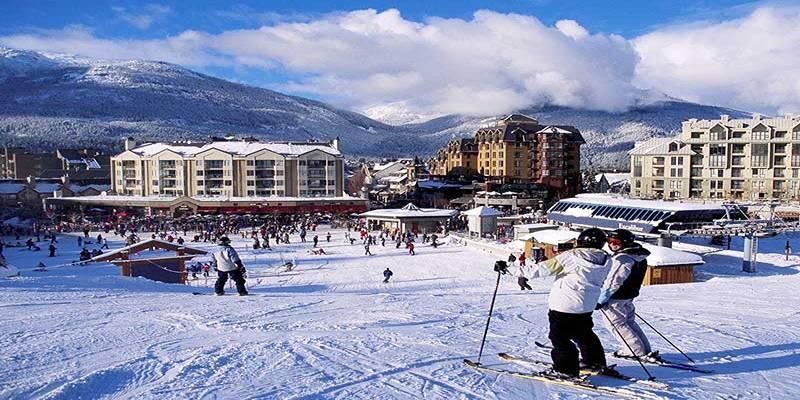
Vancouver’s winter months are mild by Canadian standards, with temperatures typically staying between 0°C and 8°C (32°F to 46°F). While snow is rare in the city itself, rain is common, and skies are often overcast. However, winter offers a unique experience for travelers who enjoy cooler climates and outdoor winter sports.
The city's proximity to ski areas like Grouse Mountain, Cypress Mountain, and Mount Seymour makes Vancouver a convenient base for snow activities. These mountain resorts are only 30–45 minutes away and provide skiing, snowboarding, snowshoeing, and tubing. Even for those not interested in snow sports, the mountain views and seasonal scenery are worth the short trip.
Downtown Vancouver takes on a festive feel in December with winter markets, seasonal displays, and lit-up streets. While January and February are quieter months in terms of tourism, they offer the lowest accommodation rates of the year (excluding the holiday season). Travelers visiting in winter should come prepared for rain but will be rewarded with a calm, relaxed version of the city and easier access to local experiences.
Choosing the Best Time Based on Interests
Different travelers may define the "best time" to visit Vancouver based on what they value most. Here’s how the seasons align with common travel priorities:
- For outdoor exploration: Late spring to early fall (May–September) offers ideal weather and trail conditions.
- For mountain sports: Winter months (December–February) are best for skiing and snow-related activities.
- For crowd-free travel: November, January, and February provide a peaceful experience and discounted prices.
- For mild weather without high costs: April, May, and September balance good weather with moderate tourism.
- For scenic beauty: April (for cherry blossoms), October (for fall colors), and July (for coastal views) are excellent.
Conclusion
Vancouver is a year-round destination with distinct seasonal personalities. From the bright, energetic summers to the quiet beauty of winter mornings, each month presents a different version of the city. The best time to visit depends entirely on personal goals—whether it's adventure, relaxation, budget-conscious travel, or simply enjoying the natural scenery.
Regardless of when one decides to go, Vancouver consistently offers a rich and rewarding experience. With its coastal charm, accessible wilderness, and seasonal variety, it remains a destination that welcomes travelers with something meaningful in every season.