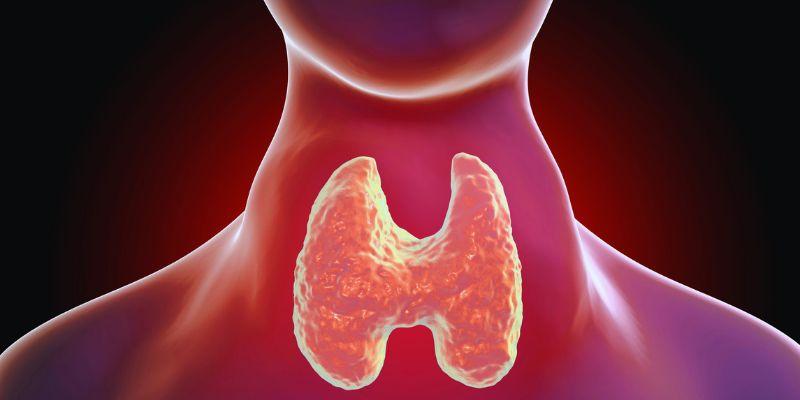
Your thyroid is very important for your metabolism, energy, and overall wellness. Your body sends warning signs when it stops working properly. One of the most common indicators is weight gain without changes in diet or activity. Many people don't notice these changes because they think they're just a normal aspect of getting older or living a certain way.
You might feel tired, have mood swings, have dry skin, or even have your neck swell up. It's very important to notice these signs early on to avoid significant health problems. We will talk about the thyroid-related indicators that you should never overlook in this article. If you know what these warning signs mean, you can act quickly to protect your health.

Thyroid Symptoms Linked to Unexpected Weight Gain
Below are the important thyroid-related signs that you should notice early to prevent worsening weight gain issues.
Unexplained Weight Gain
Sudden, unexplained weight gain is the most obvious indicator. It happens even if you don't modify your diet or exercise routine. With thyroid problems, diet and exercise may not help you lose weight. It could also cause the face to expand or swell. If you keep gaining weight even though you eat well and exercise, you might have hypothyroidism. Don't disregard this warning sign; early therapy will help you control weight changes.
Constant Fatigue
Another crucial sign is often feeling fatigued. You might still feel tired even after getting enough sleep. This persistent tiredness makes it harder to be active, which makes you gain more weight. It also makes it hard to focus and perform daily tasks. If you feel weary all the time for no evident reason, your thyroid might be to blame. If you are always tired and gaining weight, you need to see a doctor right away.
Sensitivity to Cold
People with hypothyroidism are often quite sensitive to cold. When other people are warm, you could feel cold. Your hands and feet may be cold most of the time. It happens because a slow metabolism makes it harder for the body to control its temperature. If you are always cold, sleepy, and gaining weight, it could be a sign of a thyroid problem. Don't disregard these symptoms together.
Dry Skin and Hair Thinning
Changes in your hair and skin can also be a symptom of thyroid problems. Skin often becomes dry and rough and does not improve with moisturizers. Hair can become thin, rough, and prone to falling out. The outer corners of the eyebrows may disappear. Another indicator is nails that break easily. These changes often happen with other signs, like tiredness and weight gain.
Swelling in the Neck
A lump that can be seen at the base of the neck may mean that the thyroid is getting bigger. This bulge, called a goiter, is an obvious sign of a thyroid problem. It could also come with a tight feeling in the throat or trouble swallowing. You should never ignore swelling in your neck since it could mean your thyroid isn't working right. If you see this symptom, get medical attention right away.

Mood Changes and Depression
Thyroid problems might change how you feel. You might be feeling down, worried, or more irritated than normal. It's also typical to have trouble concentrating and remembering things. People often mistake these emotional changes for stress or mental health issues. But when you add weight gain and tiredness to the mix, they point to an imbalance in the thyroid.
Puffy Face and Swelling
Hypothyroidism can make you hold onto water, which can make your cheeks and eyelids look puffy. Swelling can also happen in the ankles, hands, and legs. These changes happen slowly and are easy to miss. But they are unmistakable signs that the thyroid isn't working right. Get checked out by a doctor right away if the swelling doesn't go away or gets worse.
Hoarseness or Voice Changes
If your voice is hoarse or deeper than usual, it could be a sign of thyroid difficulties. When the thyroid gets bigger, it might impinge on the vocal cords. When your voice changes, your neck may hurt or bulge. If you have a raspy voice that doesn't go away even when you're not sick, see a doctor. You shouldn't overlook this sign and other symptoms.
When to Seek Medical Help
If you see weight changes that you can't explain, combined with other thyroid symptoms, you should consult a doctor right away. A simple blood test can check hormone levels and confirm if your thyroid is malfunctioning. Finding the problem early makes it easier to cure and keeps it from getting worse. Thyroid problems often need long-term care, which might include taking medicine, making changes to your lifestyle, and going to the doctor regularly to keep your hormones in balance.
Don't ignore ongoing weight gain, mood changes, depression, or exhaustion that doesn't go away. These could be signs of a significant thyroid condition. Talk to your doctor about all of your symptoms so that they can make the right diagnosis and come up with a good treatment plan. Taking care of yourself will help you get more energy, feel better, and control your weight more effectively, which will make you healthier overall.
Conclusion:
Thyroid problems can have a big effect on your health and weight, although they are often missed. Ignoring signs like weight gain that doesn't make sense, always being tired, mood swings, or swelling in the neck can make treatment take longer. A simple blood test can show if there are abnormalities with the thyroid, and treatment can bring everything back into balance. You may get your energy back, feel better, and control your weight if you take the right medicine, make changes to your lifestyle, and monitor your health.