Natural beauty has always been one of Europe’s biggest treasures. Among the hundreds of protected natural areas scattered across the continent, Ordesa y Monte Perdido National Park in northern Spain has recently been named the best national park in Europe. Covering approximately 156 square kilometers of pristine Pyrenean wilderness, this remarkable destination offers a dramatic mix of jagged peaks, lush alpine valleys, waterfalls, and deep canyons.
Located in the autonomous community of Aragon, near the French border, the park is part of the greater Pyrenees mountain range and attracts outdoor enthusiasts from across the world. Its rugged charm, diverse ecology, and well-maintained trails have contributed to this recognition, setting it apart from more than 460 other national parks across Europe.
A Landscape Where Earth and Sky Collide
What makes Ordesa y Monte Perdido so captivating is its extraordinary landscape. Towering limestone cliffs rise sharply from deep river valleys, creating an almost cinematic contrast of height and depth. The park’s namesake, Monte Perdido, or "Lost Mountain," is the third-highest peak in the Pyrenees and the tallest limestone summit in Western Europe. Its massive stature commands attention, yet it’s only one component of a landscape filled with geological wonders.
Visitors are treated to glacial cirques, U-shaped valleys, crystalline lakes, and soaring waterfalls, all framed by ancient forests and meadows filled with wildflowers during the warmer months. The mix of natural elements in one compact area is what makes this park exceptional—there’s something new to see with every step.
Four Distinct Valleys with Unique Personalities
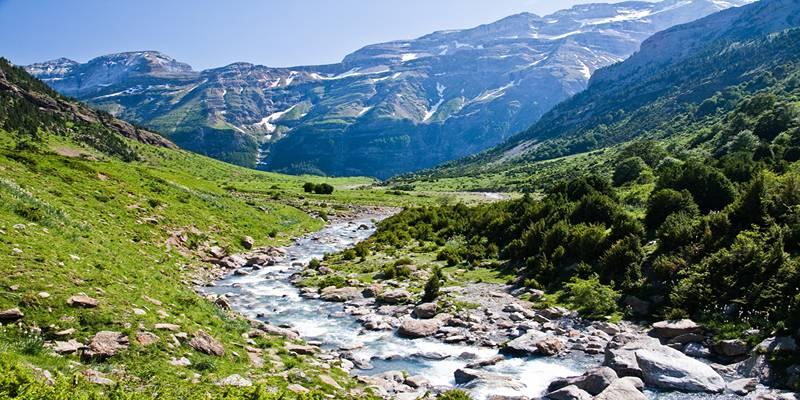
The park is divided into four main valleys: Ordesa, Añisclo, Pineta, and Escuaín. Each of them brings a unique flavor to the region, allowing visitors to tailor their experience based on interest and fitness level.
- Ordesa Valley: The most visited and accessible of the four, the Ordesa Valley features wide walking paths that follow the Ara River through dense forests and flowery meadows. The views are framed by towering cliffs and frequent waterfalls, such as the well-known Cola de Caballo (Horse Tail Waterfall).
- Añisclo Canyon: Much steeper and narrower, this area offers dramatic views with high rock walls and fast-moving water. Trails in this section are more challenging but reward hikers with silence, solitude, and rugged beauty.
- Pineta Valley: This glacial valley is known for its steep slopes and dense greenery. It is slightly more remote, offering a quieter experience and access to high-altitude routes that lead to panoramic vistas.
- Escuaín Gorge: The least visited but equally enchanting, this valley is an ideal location for those seeking birdwatching opportunities and secluded trails. It’s home to several vulture species and provides a sense of wilderness unmatched elsewhere in the park.
Each valley complements the others, creating a full picture of the natural diversity found within this relatively small region.
Activities Beyond Just Sightseeing
While the visual beauty of Ordesa y Monte Perdido is reason enough for its recognition, the park is also a hub of outdoor activity. It's particularly renowned for hiking, but also supports canyoning, rock climbing, wildlife watching, and photography.
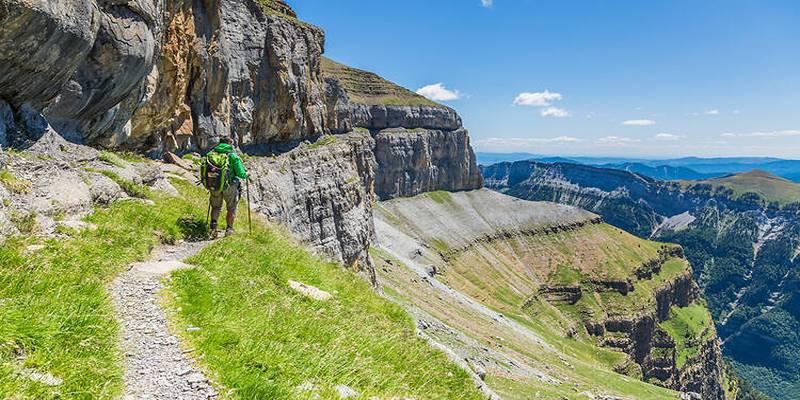
Trails range from short, family-friendly walks to strenuous, multi-day treks. One of the most iconic routes is the Cola de Caballo trail, which runs about 16 kilometers round-trip and provides a rewarding view of a waterfall at its highest point. It follows the Ordesa Valley floor and is popular due to its manageable elevation gain and breathtaking surroundings.
For seasoned hikers, the ascent to Monte Perdido is the crown jewel. The climb requires stamina, navigation skills, and caution, especially near La Escupidera, a steep and often icy section just below the summit. However, the reward at the top is a panoramic view across the Pyrenees that few locations in Europe can match.
Additionally, the park has several refugios, or mountain shelters, allowing multi-day hikers to explore the terrain over several days without leaving the park’s boundaries.
Rich Biodiversity and Ecological Value
Beyond the sheer visual grandeur, Ordesa y Monte Perdido holds immense ecological significance. Its varied altitudes and microclimates support a wide range of flora and fauna. The park is home to over 1,500 species of plants, many of which are endemic to the Pyrenees, and more than 170 species of vertebrates.
Visitors often spot birds of prey such as lammergeiers, golden eagles, and griffon vultures circling above the cliffs. Mammals like Pyrenean chamois, marmots, foxes, and even wild boar can be seen by those who venture into the quieter parts of the park.
Spring and early summer are especially lively seasons, as wildflowers bloom in open meadows and animals are most active. The park plays a critical role in preserving many of these species, some of which face threats in other parts of Europe.
Sustainable Tourism and Responsible Access
One of the reasons the park has achieved such recognition is its commitment to sustainable tourism. While it welcomes thousands of visitors each year, strict guidelines help minimize environmental impact. Certain sections of the park are closed to private vehicles during peak season to reduce pollution and erosion.
Instead, visitors are encouraged to take eco-friendly shuttle buses from nearby towns such as Torla or Broto. Information centers offer maps, weather updates, and safety advice, helping visitors enjoy the park responsibly.
Camping is only allowed in designated areas, and hikers are advised to carry out all waste. These simple but effective policies help maintain the park’s delicate ecosystems and keep the experience enjoyable for future generations.
Conclusion
Ordesa y Monte Perdido National Park is more than just a destination; it’s an experience that stays with visitors long after they leave. With its recent recognition as Europe’s best national park, it reaffirms its place as a top-tier natural sanctuary, where the rhythm of rivers, the silence of stone, and the whispers of ancient forests continue to shape memories and moments for all who pass through.
For those seeking authentic, soul-stirring encounters with nature, northern Spain’s crowning jewel is waiting—untouched, unforgettable, and undeniably spectacular.