Silent heart disease does not produce any noise and moreover, in most cases, it lacks signs and symptoms, it is a silent killer of the heart. These risk factors, warning symptoms, and prevention must be familiar. Heart and risk of a major and sudden heart event can be saved by early diagnosis and healthy lifestyle choices.
What Is Silent Heart Disease?
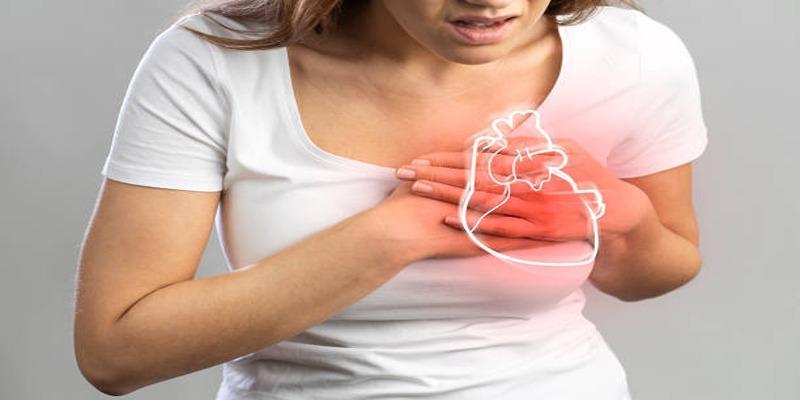
Cardiovascular disease that progresses without the typical signs, such as chest pain, breathlessness or intense tiredness is what we call silent heart disease. It can consist of early-stage heart failure and arrhythmia, as well as coronary artery disease. As time goes by, the other causes include the formation of plaque in the arteries, hardness of the arteries or irregular heart beats that work against the heart without the victim being aware of it.
People are not always aware of how severe the situation may be, until its latter stages and that is why the significance of awareness, early detection, and prevention cannot be overestimated.
Key Risk Factors
There are a number of causes that lead to a high risk of developing silent heart disease. The knowledge of such risk factors can make people take preventive measures:
- High blood pressure: When arteries and heart are subjected to constant strain, their structure may change and silent cardiovascular damage may occur.
- Increased cholesterol: Too much cholesterol may be deposited as plaques that may eventually constrict arteries but in most cases without symptoms until a blockage develops.
- Diabetes: Diabetes is a condition marked by persistent high blood sugar levels, which damages blood vessels over time and raises the risk of silent heart disease.
- Obesity: This is the excess weight that makes the heart work overtime and in most cases accompanies the high blood pressure and blood sugar issues.
- Unhealthy lifestyle: Physical inactivity slows the working efficiency of the heart and contributes to the formation of plaque in arteries.
- Family history: Genetics may predispose people to early cardiovascular problems, in the absence of lifestyle risk factors.
Subtle Signs That Often Go Unnoticed
The problem of silent heart disease is that it does not necessarily present any glaring symptoms. But a few faint signs can be traced:
- Dyspnea (breathlessness with simple exercise).
- Constant exhaustion not connected to the level of activity.
- Irregular heartbeat or palpitations now and then.
- Pitting of ankles or feet.
- Lightheadedness or fainting.
By overlooking such symptoms, one can give the disease a free ride hence the importance of frequent check-ups with the physician especially in the case of those who have many risk factors.
Diagnostic Methods
The diagnosis of silent heart disease early prevents the major risk of serious complications. The widely used diagnostic instruments are:
- Stress testing: This is done to determine the performance of the heart during physical activity and may reveal any concealed blockages or poor blood circulation.
- Blood tests: Determine cholesterol, triglycerides, and signs of inflammation and other cardiovascular risk factors.
- Coronary calcium scan: The presence of calcium in arteries can be identified and this tests how early the atherosclerosis has developed.
Lifestyle Strategies to Protect Heart Health
The transition to usual lifestyle habits is a significant consideration that will help to reduce the risk of silent heart disease. Key strategies include:
- A moderate intensity exercise of 150 minutes or more per week. Swimming, aerobic exercises, cycling and brisk walking keep the heart on its toes and improve circulation. Training every day, day or two on power is useful in lean muscle mass or metabolism.
- Normal body weight implies that the heart does not have to work so hard and the diseases connected with this organ also drop.
- Chronic stress affects the health of the heart because the condition increases blood pressure and inflammation. One of the ways to deal with stress is through meditation, deep breathing exercises, and mindfulness to improve the overall health.
- To enable the heart to do its job, you must get 7 to 9 hours of uninterrupted sleep per night to facilitate hormonal balance and metabolism.
- Measure blood pressure, cholesterol and blood sugar to manage warning signs and symptoms.
Such measures, when regularly done, offer long-term defense against silent heart attacks.
Medical Interventions and Preventive Care
Despite the effectiveness of lifestyle change, medicine therapy may be needed to prevent or treat silent heart disease:
- Therapies: Angioplasty or stenting may be done in a severe case to reverse the blood flow in narrowed arteries.
- Follow-up care: The use of regular follow-up check-ups helps health care professionals monitor progress, implement changes and early recognize any developing minor changes.
The most effective method of protecting the heart and reducing the risk of heart attacks is to combine medication and physical exercise.
Physical and Heart Strength

Working out is important in maintaining your heart. Aerobic exercises enhance the efficiency of the heart, increase blood circulation, and decrease the amount of plaque. The strength training assists in controlling weight and gets your metabolism going, whilst keeping your joints fit and flexible through exercises that will ensure that you are more likely to stay active. On top of all that, physical activities reduce stress, enhance sleep, and increase energies- all of which are beneficial to maintaining a robust, healthy cardiovascular system.
Monitoring and Early Action
Close observation plays a key role in the management of silent heart disease. Diagnosis in the early phases permits treatment that avoids life-threatening comorbidities:
- Arrange regular cardiovascular screenings particularly where there are risk factors.
- Monitor blood pressure, cholesterol and blood sugar levels.
- Note any minor physical alterations such as fatigue, palpitations, swelling or dizziness.
- Consult a doctor as early as possible in case of any abnormal symptoms (even minor ones).
Early detection through preventive care means that the problem will not develop into a serious heart attack.
Developing Long-Term Heart Resilience
Silent heart disease emphasizes the need to adopt a proactive, lifelong approach to heart health. In addition to diet and exercise, addressing mental health, sleeping habits, and frequent doctor visits builds a strong protection against heart risks. Prevention measures taken at an early age make the heart stronger and minimizes the risk of heart related issues occurring abruptly.
Conclusion
The disease is silent; it is a risk factor which seems to accumulate without any obvious symptoms. Identifying risk factors, reading between the lines of rhythmic patterns, and practicing a proactive lifestyle is a significant step that can lead to the heart protection over time. It can be a combination of healthy eating, physical activity, mental health, sleep, regular screenings, and so on, which can all be included in a single approach to the protection of the heart.