The future of urban living is rising—literally. As cities become denser, architects and planners are building higher to meet the demands of population growth and land scarcity. Nowhere is this more evident than in Hong Kong, the city that tops the global list for having the most skyscrapers. With a staggering 560 buildings over 150 metres tall, it has become a vertical metropolis that showcases both human ingenuity and engineering brilliance.
This futuristic skyline isn’t just about height; it’s about the thoughtful integration of modern design, sustainable construction, and urban function. Hong Kong’s architecture tells the story of a city that has learned to make the most of every square metre by building toward the clouds.
Why Hong Kong Rises Above the Rest?
Urban centers around the world face one shared challenge: limited space. What sets Hong Kong apart is how it has responded. Geographically constrained by steep hills and surrounding water, the city has had little choice but to grow upward instead of outward.
This limitation pushed architects, engineers, and city planners to think differently. As a result, Hong Kong became a city of high-density vertical living. In this place, residential towers, offices, transport, retail, and even public green spaces all coexist within elevated structures.
Every square meter of land counts, and Hong Kong’s ability to maximize that space without compromising functionality reflects some of the smartest urban planning on the planet.
The Numbers That Shape the Skyline
The global authority on tall buildings, the Council on Tall Buildings and Urban Habitat (CTBUH), defines a skyscraper as any structure that rises at least 150 metres. Based on this standard, Hong Kong holds a commanding lead with 560 qualifying structures—more than any other city on the planet.
In second place is Shenzhen, China, with 444 skyscrapers, and in third is New York City, home to more than 320 towering buildings. These cities also boast iconic skylines, but Hong Kong's unmatched density and scale set it apart.
From residential high-rises lining the harbour to futuristic towers defining the central business district, the city has turned verticality into an art form. Each building contributes to an intricate skyline that pulses with life and reflects a blend of architectural styles and functions.
Landmark Structures in the Sky
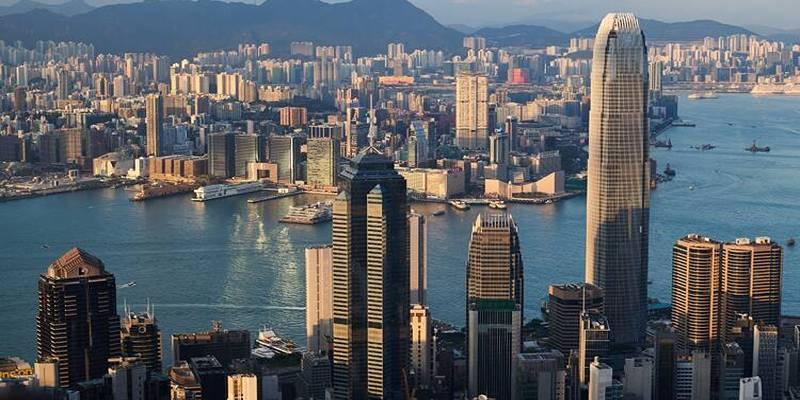
Some of the most eye-catching skyscrapers in Hong Kong are also among the tallest and most sustainable in the world. At the top of the list is the International Commerce Centre (ICC), which reaches 484 metres across 118 stories. This tower isn’t just about height—it incorporates advanced energy-efficient systems and sustainable materials, representing the future of skyscraper development.
Close behind is the Two International Finance Centre, standing at 416 metres. This financial hub is a landmark not only in structure but also in the city’s economic engine.
Other major skyscrapers include Central Plaza (374 metres) and the famous Bank of China Tower, a visually striking structure designed with asymmetrical lines that reflect the growth pattern of bamboo. It’s both a cultural and architectural statement, adding depth to the city’s skyline and symbolising prosperity and strength.
A City That Shines—Literally
The fascination with Hong Kong’s skyline doesn’t end during the day. At night, the city transforms into a luminous masterpiece. Many of its skyscrapers participate in the Symphony of Lights, a coordinated light and sound display that occurs every evening. Skyscrapers across both sides of Victoria Harbour light up in synchronised patterns, showcasing Hong Kong’s modernity and flair.
This illumination also enhances the skyline's futuristic feel, turning each tower into a dynamic visual element. What might appear as mere office buildings by day become glowing landmarks by night, blurring the lines between architecture and artistry.
Urban Function Meets Design Innovation
In a city where space is scarce, skyscrapers in Hong Kong aren’t simply built for show. Most are multi-functional—serving as commercial centres, transport hubs, residential areas, and recreational zones all within the same footprint. This vertical zoning is an efficient way to manage the city’s density, reduce commute times, and promote walkability.
Developers and urban planners have found innovative ways to incorporate green spaces, social infrastructure, and public amenities into these tall buildings. Rooftop gardens, sky bridges, and multi-floor community centres are increasingly common, turning skyscrapers into micro-neighbourhoods in the sky.
Technology and Sustainability in High-Rise Design
Hong Kong’s skyscrapers don’t just reach higher—they’re smarter. Many of the city’s newer towers are equipped with automated systems for energy efficiency, including solar shading, motion-activated lighting, and green rooftops that help reduce the urban heat effect.
Some buildings even use AI-based ventilation systems to monitor indoor air quality and adjust temperature dynamically. Water conservation systems and low-emission materials are also standard in most high-end developments.
These efforts not only support environmental goals but also future-proof the city against challenges like climate change, population growth, and energy demands.
Living in the Skies
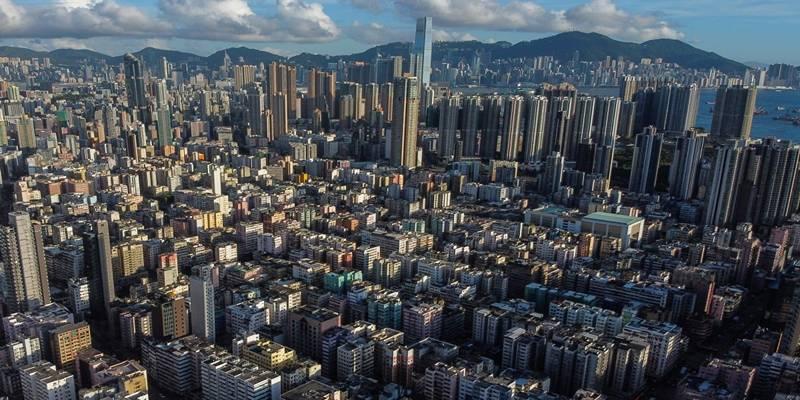
Life in Hong Kong’s vertical communities is unlike any other. While apartments may be compact due to space constraints, the proximity to amenities—markets, schools, fitness centres, and transportation—makes urban life incredibly convenient.
These vertical spaces are also hubs for social interaction. With communal floors, rooftop recreation areas, and shared facilities, many high-rises are designed to foster neighbourly bonds despite their scale.
For many residents, living hundreds of metres above ground is normal—and offers stunning views of the harbour, mountains, and city lights. It’s a lifestyle that combines efficiency, design, and city energy in one continuous vertical flow.
Conclusion
Hong Kong has earned its place as the world’s most skyscraper-filled city through a combination of necessity, innovation, and bold urban design. With more than 560 buildings over 150 metres tall, it has embraced vertical living like no other metropolis.
Its skyline reflects the future of urban growth—where architectural ambition meets functional design, and where the sky is no longer the limit, but the beginning. As global cities continue to grow and seek sustainable development paths, Hong Kong stands as a shining example of how to rise to the challenge—literally.