Kyoto stands as one of Japan’s most captivating destinations, blending timeless tradition with natural beauty. While its cultural richness often gives the impression of being costly, the truth is that Kyoto can be thoroughly enjoyed without breaking the bank. With the right planning, travelers can experience this elegant city—its shrines, gardens, food, and scenic views—while staying within a modest budget.
For anyone wondering how to visit Kyoto on a budget, this guide offers practical insights on saving money while still making the most of the city’s most remarkable offerings.
Choose Affordable Accommodations Wisely
Finding a place to stay in Kyoto doesn’t have to strain a travel budget. A wide variety of accommodations suit value-conscious visitors, from guesthouses and budget hotels to hostels and traditional inns. Business hotels, in particular, offer clean, compact rooms with essential amenities at reasonable prices.
Staying near Kyoto Station or along major public transport lines such as the Karasuma or Hankyu lines helps reduce transportation costs while keeping most key attractions accessible. Travelers should book in advance to secure better rates, especially during peak seasons like the cherry blossom and autumn foliage periods.
Many budget accommodations also include shared kitchens, giving guests the option to prepare basic meals and snacks.
Get Around with Cost-Effective Transportation
Public transportation in Kyoto is reliable, frequent, and affordable. For most tourists, buses and trains cover all major landmarks, including Arashiyama, Gion, Fushimi Inari, and northern temple districts.
To control transit costs, visitors can benefit from one-day bus passes or combination tickets that allow unlimited rides for a flat fee. These passes are especially useful when planning to visit multiple areas in one day. For nearby attractions, walking is often the best option—not only to save money, but also to uncover quiet alleys, neighborhood shrines, and gardens tucked between residential buildings.
Visit Free or Low-Cost Attractions
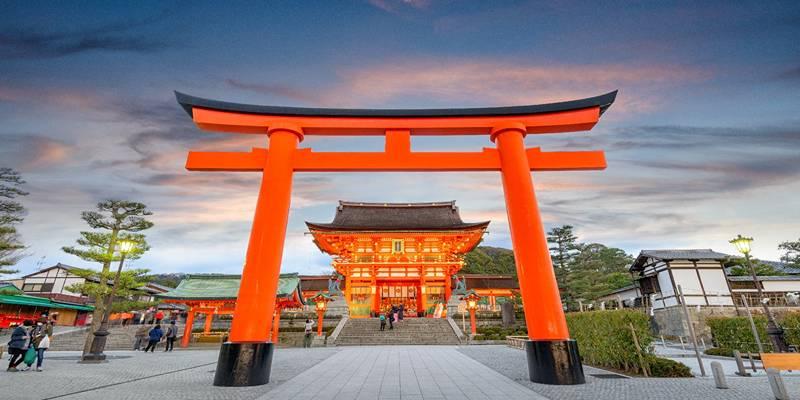
Kyoto offers an impressive number of attractions that are either free or charge only a small entry fee. Many of its iconic shrines, such as Fushimi Inari Taisha and Yasaka Shrine, welcome visitors at no cost. These spots are rich in atmosphere and visual appeal, perfect for exploring on a budget.
Public parks, scenic riverbanks, and neighborhood walks can also be rewarding experiences. The Philosopher’s Path, for example, provides a peaceful stroll alongside a cherry tree-lined canal at no charge.
Though some famous temples do require admission fees, many of them are modestly priced, making them accessible even to budget travelers. Choosing one or two paid temples and mixing them with free options creates a balanced, cost-effective itinerary.
Explore Kyoto by Foot or Bicycle
Kyoto is a compact and pedestrian-friendly city, with many of its attractions located within walking distance from one another. Exploring the city on foot allows for deeper engagement with its traditional streets, local shops, and hidden corners that might otherwise go unnoticed.
Bicycle rentals are widely available throughout Kyoto and provide an affordable and flexible way to explore more ground. Designated bike lanes and flat terrain make cycling convenient for travelers of all fitness levels. This approach not only reduces daily transportation expenses but also offers a more personal and slow-paced interaction with the city’s surroundings.
Eat Well Without Overspending
Kyoto’s food scene caters to all budgets, and affordable meals can be found throughout the city. Small neighborhood eateries, noodle shops, and lunch sets at local restaurants provide high-quality meals at reasonable prices.
Convenience stores like 7-Eleven and FamilyMart are reliable sources for affordable and fresh options such as rice balls, bento boxes, and salads. Supermarkets also offer daily meal sets, and prices often drop in the evening as closing time approaches.
Markets such as Nishiki Market give visitors a chance to try a variety of local snacks or small dishes at individual stalls. These options allow for diverse tastes without committing to high-priced restaurant dining.
Take Advantage of Cultural and Community Events
Kyoto frequently hosts public events, exhibitions, and performances that are either free or inexpensive to attend. These include seasonal festivals, outdoor art installations, and open-air craft fairs where local makers showcase handmade goods.
Community centers and cultural organizations often run budget-friendly classes or demonstrations, including tea ceremonies, calligraphy, or traditional crafts. These programs provide enriching experiences and deeper insights into Kyoto’s culture without the premium cost of private tours.
Checking local listings, city websites, and community bulletin boards can help travelers find current events suited to their timing and interests.
Plan Each Day with Budget in Mind
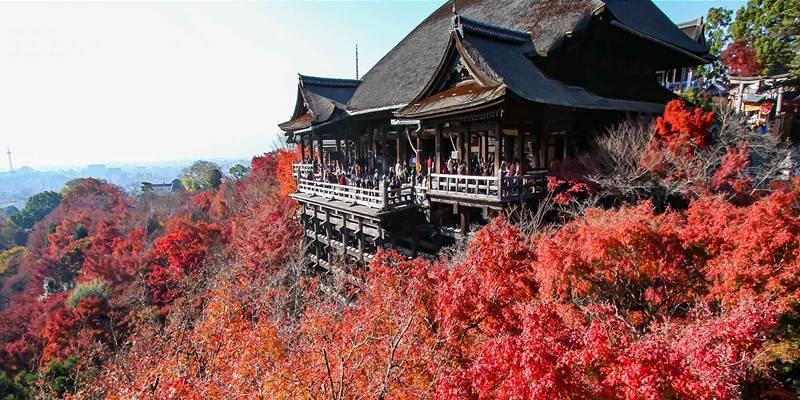
An effective way to manage expenses while visiting Kyoto is to plan each day with cost-efficiency in mind. By organizing visits based on location, travelers can limit the need for frequent transit rides and reduce the likelihood of impulse expenses.
Pairing free attractions with budget-friendly meals creates a sustainable rhythm to each travel day. Early mornings are ideal for popular sites, where peaceful exploration can be enjoyed without the larger crowds, and admission in many cases.
Creating a loose schedule also provides room for unplanned discoveries, such as local gardens, neighborhood cafes, and scenic alleys that may become trip highlights, all without requiring additional spending.
Shop Smart for Souvenirs
For travelers interested in bringing home mementos, Kyoto offers a wide range of options to suit different budgets. Department stores and specialty shops carry elegant handcrafted goods, but affordable souvenirs can also be found in temple markets, 100-yen shops, and co-op galleries.
Locally made soaps, ceramics, traditional snacks, and fabric items such as tenugui towels are cost-effective gifts with cultural significance. Travelers are encouraged to browse patiently and compare options before making purchases to ensure value.
Conclusion
Kyoto, with its quiet temples, scenic trails, and rich local culture, proves that travel doesn’t need to be extravagant to be fulfilling. A well-planned visit on a budget can include everything from iconic sights and delicious meals to personal, memorable moments that emerge from slow, intentional exploration.
The key lies in balance—choosing low-cost transportation, free or modestly priced attractions, and thoughtful meals while immersing in the calm, contemplative rhythm that Kyoto is known for.