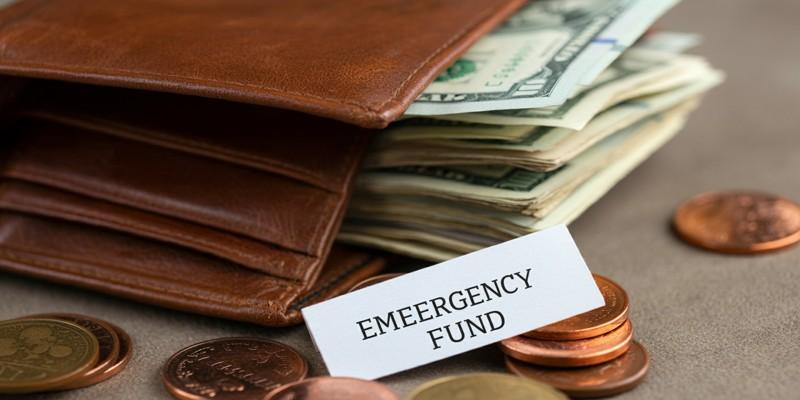
Are you ready for life's curveballs, including steep financial prices? In today's economic uncertainty, the need for an emergency fund is more vital than ever. Though most financial experts recommend saving 3-6 months of expenses, even a modest cushion of $500 can make quite a difference when sudden costs or disruptions in income pop up.
Why Every Household Needs an Emergency Fund
Uncertainties abound in life, and financial upsets can come at any time. For this reason, every household should have an emergency fund, irrespective of income level or financial situation. A fully stocked emergency fund offers a financial safety net that will give peace of mind and protect against unexpected expenses or disruptions in income.
Financial Security and Peace of Mind
An emergency fund is the shock absorber for life's whimsy that comes at you. And if you have some money available for contingencies, chances are slim that you stress out over financial misfortune. Long-term thinking with positivity, owing to the knowledge there is always a cushion that will catch you when an opportunity presents itself, is enabled by a certain kind of security.
Protection Against Debt
Without an emergency fund, all sudden expenses automatically mean falling back on credit cards or loans at exorbitant interest rates. This could be a vicarious circle of debt that is impossible to emerge from. Liquid reserves you can quickly access keep you from expensive borrowings and steady even in the most turbulent financial times.
Flexibility in Career and Life Decisions
A robust emergency fund allows for making essential life choices uncomplicated by immediate, compelling financial needs. Furthering your career elsewhere or relocating for more promise, taking time off for any family member, having the freedom to do anything that aligns with your core goals and values, and saving gives the liberty to make.
Weathering Economic Downturns
The emergency fund is a necessity during times of economic uncertainty. Loss of jobs, reduced hours, and/or unexpected medical expenses upset financial plans faster than almost anything. The key to sailing through those trying periods without going haywire is saving for many months of expenses.
38 Unexpected Expenses That Can Drain Your Bank Account
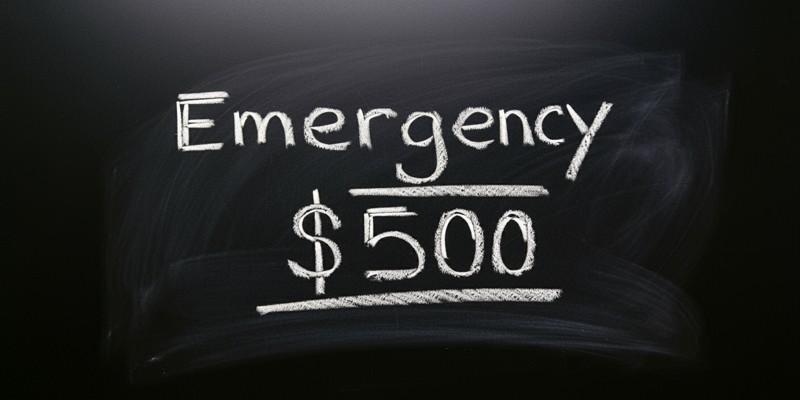
Life likes to throw financial curveballs when you least suspect it. At the same time, one cannot predict every expense, and the $500 emergency fund has proved essential in soaking up most of the jolts of life. Listed below are 38 such sudden expenditures that can relatively quickly drain your account in case you're not well-prepared for these, including home-related emergencies:
Home-Related Emergencies
Your home is your castle, but it can also be an accident waiting to happen in many ways. Burst pipes, broken windows-the list goes on and on, with costs adding up pretty quickly, including the following:
- Plumbing repairs
- Roof leaks
- Appliance failures
- Pest infestation
- HVAC system failures
- Electrical issues
- Foundation problems
- Water heater replacement
- Lock replacement after a break-in
- Emergency tree removal
Vehicle Troubles
Your car is your lifeline, but it can be a real money pit when things go wrong:
- Flat tire or blowout
- Dead battery
- Alternator failure
- Brake repairs
- Transmission issues
- Engine trouble
- Windshield replacement
- Accident deductibles
- Towing
- Rental car because of breakdown
Health and Medical Surprises
Your health is priceless, but medical treatment can be pretty expensive:
- Emergency room visits
- Dental emergencies
- Replacement of eyeglasses or contact lenses
- Surprise medical tests
- Counselling
- Physical therapy copays
- Over-the-counter medicines for sudden illness
Personal and Family Emergencies
Surprises in life can get pretty expensive:
- Last-minute travel due to a family emergency
- Pet emergencies and vet bills
- Loss of job/work reduction of hours
- Childcare costs due to some unforeseen situation
- Legal fees due to some situation that came out of the blue
- Identity theft recovery costs
- Replacement cost for immediate emergency clothes
- Repair/ Replacement of the smartphone
- Repairs on the computer or laptop
- Unexpected moving
With at least an emergency fund of $ 500, you can overcome all those shockers without resorting to high-interest credit cards or loans. Remember that financial preparedness is key to weathering storm surprises in life.
Building Your $500 Emergency Fund: Strategies and Tips
Start Small and Build Consistently
Building up an emergency fund of $500 may sound daunting, but it is achievable with the right approach. First, set realistic goals about how much you can save every week or every month. Even a certain sum, like $10 or $20 weekly, starts adding up quickly. The key is consistency, so make it a habit: automate your savings to transfer money into a separate account. Set it and forget it, and there the money keeps rolling in, and voila, your goal is met in no time.
Cut Unnecessary Expenses
Go through your expenses and find areas to cut. Cancel unused subscriptions, eat out less, or find cheaper ways to buy something. Then, put the money saved directly into your emergency fund. Minor inconveniences translate into a good chunk of financial security later on.
Boost Your Income
You can increase your income through a part-time job, freelancing, or selling anything you may no longer need to accelerate the pace at which you save money. Any money you come by should go straight to your emergency cash. These side hustles will make it easier to reach your target much sooner and provide a different level of comfort than the money brought home through a routine stream of income.
Leverage Windfalls and Tax Refunds
When you receive extra money—whether from a tax refund, a bonus, or a gift—avoid the urge to spend it immediately. Instead, consider setting aside a significant portion, or even all of it, into your emergency fund. Windfalls like these can give your savings a meaningful boost, helping you reach goals like $500 much faster than through regular saving alone.
Track Your Progress and Stay Motivated
Follow your progress either on budgeting applications or a simple spreadsheet. It will be a motivating thing to see that emergency fund grow. Celebrate when you reach a particular milestone, $100 or $250. Remember for what you build the fund-for peace of mind and financial security. Having the goal in sight will make the process easier to commit to.
Conclusion
Hiding an emergency fund of $500 is the secret to financial security and peace of mind. By setting an emergency savings goal, you take active steps toward cushioning yourself against surprise expenses probably some financial setbacks.