Spontaneous Coronary Artery Dissection (SCAD) is a dangerous but infrequent problem in the heart which may affect athletes. This blog will discuss SCAD, the main warning signs, and shed light on the impact of the issue on athletic people and their attitude to physical exercise and rest.
What is SCAD?
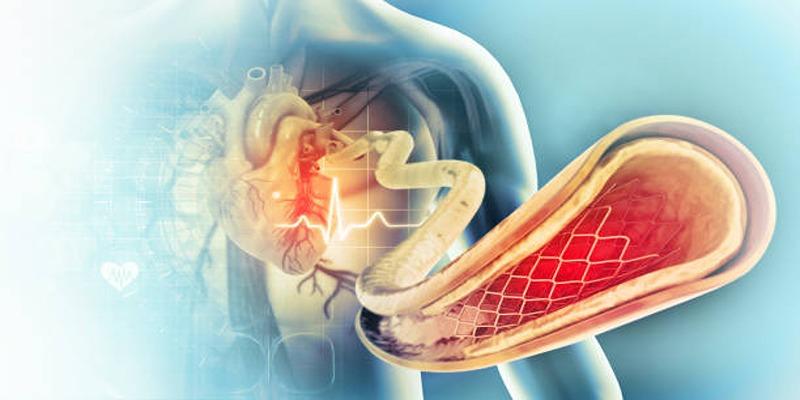
SCAD is a disorder in which one or more of the arteries of the heart spontaneously rupture, resulting in the blood of the heart leaking into the layers of the artery wall. This may cause blood to clot and may result in a heart attack or other serious complications.
Causes of SCAD in Athletes
Spontaneous Coronary Artery Dissection (SCAD) is a medical disorder with diverse causes that are still not completely understood. Although SCAD usually develops unexpectedly, a number of factors may trigger or contribute towards the development of this condition. These reasons are critical to stating who to help and establish prevention measures. Some of the possible causes of SCAD are discussed in more detail below.
Hormonal Changes
Hormonal changes especially can increase vulnerability to SCAD to an extent. These alterations can either make the lining of the blood vessels weak or more easily torn. Some mothers are particularly vulnerable since hormone levels are too high, and blood volume has increased, putting extra burden on the blood vessels.
The fact that cases of SCAD occur during or soon after having a baby reveals the possible connection between hormonal change and vulnerability of the arteries. Although not the only part of the cause, in most instances hormones affect the cause significantly.
Physical or Emotional Stress

Exercise or intense emotional strain has also been found to cause SCAD, especially in people with no prior cardiovascular problems. Severe stress may drive up the blood pressure, which might damage the walls of the blood vessels, making them more prone to tearing spontaneously.
Examples are heavy lifting, heavy exercise, or very emotional or traumatic events. Although the direct relationship has not been investigated yet, the association between stress and SCAD is currently under research focus and contributes to the necessity of stress management measures.
Underlying Medical Conditions
Some medical conditions, including fibromuscular dysplasia (FMD), are said to be associated with a higher risk of SCAD. FMD causes irregularities in the structure of blood vessels that cause undesirable cell growth and weakening of the arterial walls which can predispose the arteries to tearing. Connective tissue disorders or vascular inflammation are other conditions that may predispose to SCAD. The additional underlying conditions are also vital to detect and treat to minimize the chances of arterial dissection and have better cardiac health.
Symptoms of SCAD
SCAD may develop in persons with or without chronic conditions, which is why the symptoms and warning signs of this illness should be aware of as soon as possible. Timely diagnosis and treatment are critical in treatment of SCAD and mitigating its potentially serious impacts. The most typical symptoms of SCAD are listed below:
Chest Pain
One of the most typical signs of SCAD is chest pain that could be confused with having a heart attack. The pain can either be sharp, squeezy or pressurizing their chest. It can come out of the blue and be aggravated by exercise or stress. Any person with unexplained chest pains should visit a doctor immediately since this may be as a result of an arterial tear caused by SCAD.
Shortness of Breath
Breathlessness is the other common symptom of SCAD particularly when carrying out physical activities or even when resting. This difficulty in breathing could be in part caused by the slowed blood circulation caused by the tear of the arterial wall, hampering the oxygen supply to the body. The patients of SCAD reported a strong feeling that they cannot breathe properly and such a symptom must be studied medically to exclude the presence of other dangerous cardiac diseases.
Fatigue or Dizziness

Most people with SCAD complain of being tired or dizzy without a reason, and this is because of the decreased flow of blood to different vital organs. These may be mild or severe and in extreme cases are accompanied by fainting spells. Experiencing chronic fatigue or light-headedness with no apparent reason should not be ruled out and should be examined with the help of a medical professional, as it may indicate a heart defect such as SCAD.
Diagnosis
SCAD needs a proper diagnosis in order to have the best treatment and recovery plan. Removing complications and making a positive outcome is possible only with an early diagnosis and it is essential to understand that it is necessary to identify the symptoms and pass the required tests. There are several steps to diagnose SCAD properly as it excludes other heart conditions.
Diagnostic Imaging Techniques
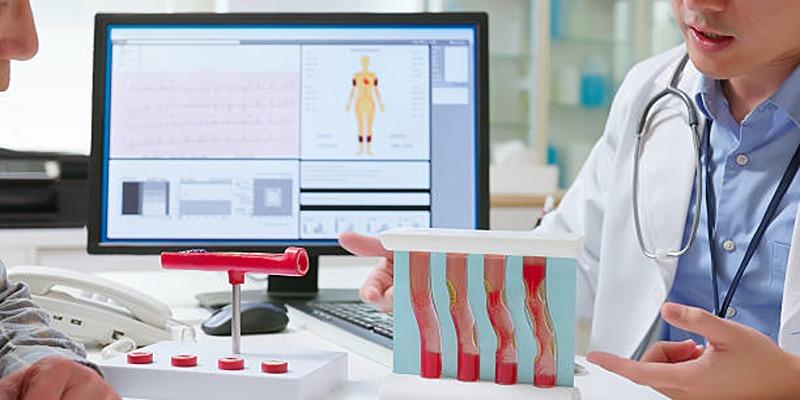
Doctors normally perform imaging tests such as a coronary angiography in order to determine SCAD. This method can be described as a process of visualizing blood flow in the arteries. This is a test used to identify obstructions or aberrations related to SCAD. Elaborate knowledge of artery walls can be attained using other modern modes of imaging, like intravascular ultrasound (IVUS) or optical coherence tomography (OCT), which are guaranteed to make the correct diagnosis.
Electrocardiogram and Blood Tests
The most common device employed to monitor heart rhythm and identify irregularities as a result of SCAD is an electrocardiogram (ECG). Blood tests are also conducted along with ECG to check for substances such as troponin, which is evidence of damage to the heart muscle. Such tests, along with the symptoms of a patient, may determine the occurrence of a heart event, and what other diagnostics to follow.
Patient History and Physical Exam
An extensive medical history analysis and physical examination of the patient are essential in the diagnosis of SCAD. Applying prior health problems, family history of cardiovascular diseases, and current events or stressors can be valuable leads. This comprehensive assessment enables physicians to design an individualized case with the client.
Treatment and Management
SCAD treatment is aimed at stabilizing the situation in the patient and is based on preventing the further complications. To manage the heart and help decrease the stress of the arteries, beta-blockers, antiplatelets, and statins are often used at the beginning of care. In other patients, treatment is conservative and the artery with the lesion regenerates on its own.
Nevertheless, in a serious situation or where the symptoms are still present, a medical procedure such as percutaneous coronary intervention (PCI) or coronary artery bypass grafting (CABG) might be essential. Regular follow-ups, the introduction of lifestyle changes, and frequent cardiac rehabilitation programs are among the long term management strategies used to encourage recovery and deter recurrence.
Prevention and Awareness
Prevention of arterial conditions is a proactive course of action which involves a healthy lifestyle and risk factor awareness. The heart should be fed on a balanced diet consisting of fruits, vegetables, whole grains and lean protein. Exercising frequently (walking, swimming, cycling, etc.) will enhance the work of the cardiovascular system and weight management.
Prevention also involves refusing to smoke or drinking less. It can be useful to track the blood pressure, cholesterol level, and glucose to detect possible problems before they occur. Education about cardiovascular disease prevention and the adoption of the habit of identifying symptoms and patients seeking medical care in good time is a major factor in preventing the occurrence of diseases of the cardiovascular system.
Conclusion
Spontaneous Coronary Artery Dissection (SCAD) is a severe and very rare heart disease that can strike even healthy athletes. The most crucial part of recovery is early identification and proper diagnosis of symptoms and fast treatment. Like any other sportsperson, with good care, lifestyle change, and education, one can steward these risks away and still remain in their training schedule, placing long-term heart health and overall health first.